


 Company
INTRODUCTION
Customers prefer mobile-first, innovative, participatory brands (Singha, 2024). Growing social media, especially TikTok, has made brand communication two-way. UK's leading supermarket company Tesco promotes creative digital marketing. Tesco's 2022 Voice of Checkout campaign shows how new digital technologies can improve consumer engagement, enjoyment, involvement, and brand values in a competitive post-2020 digital landscape.
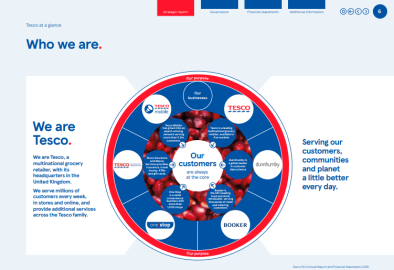
Tesco serves millions of UK customers online, in-store, and mobile. Over 18 million app users and 23 million Clubcard-owning UK homes give Tesco digital penetration. Tesco allowed customers to represent self-checkout on TikTok with Bartle Bogle Hegarty's #TescoVoiceOfCheckout campaign (Tesco PLC, 2025). This commercial made shopping fun to increase Clubcard loyalty and savings (Chen, 2022).
MAIN BODY
Campaign Objectives, Target Audience & Strategic Rationale
Strategy, objectives, audience, and position helped Tesco reach its digital engagement goals with #TescoVoiceOfCheckout. Tesco's #TescoVoiceOfCheckout campaign targeted TikTok teens. Duet videos increase UGC, organic reach, and engagement. To build relationships, everyday checks required entertainment and empathy. Marketing made Clubcard more popular and valuable, indirectly improving loyalty programs.
STP Model
Strategic marketing idea STP (Segmentation, Targeting, Positioning) helps companies target their audiences (Bing and Peng, 2021). Choose relevant market categories and position the brand to appeal to them. Brands communicate better with STP, improving engagement and commitment.
UK Assignment Sample Guide with Online Assignment Help
Segmentation
Tesco categorised customers by age and digital use. Tesco customers were the second segment because cross-platform exposure built brand salience.
Targeting
The target audience was Gen zoomers and Millennials (18-35), digital native TikTok users. Tesco attracted Gen Z and Millennials with TikTok's engaging content and increased consumer loyalty.
Positioning
Tesco marketed Every Little Helps on TikTok as inclusive, engaging, and culturally sensitive.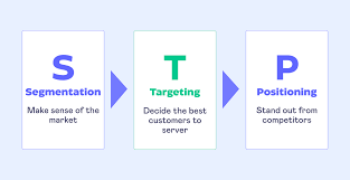
Digital Tool 1: Social Media Marketing (TikTok)
Tesco's main digital checkout voice was TikTok. Gen Z and Millennials accepted TikTok in 2022, so Tesco strategically adopted it. Tesco's short video content, trends, and interactivity showed its shift from one-way broadcasting to community-based communication (Sulonen, 2025). Lip-synching and voice acting as self-checkout voices were tested on TikTok's duet feature. This inspired comedy, creativity, and mass participation, and #TescoVoiceOfCheckout found content and organic trends. More importantly, Tesco created two-way communication that gave users ownership.
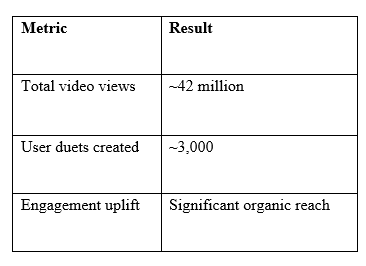
Table 1: Metric Results of Tesco's Campaign
Digital Tool 2: Short-Form Video Content (TikTok Duets)
Duets on TikTok increase #TescoVoiceOfCheckout engagement, virality, and emotion (Abdi, 2025). Duet helped Tesco and customers interact visually with engaging films and user-generated material. Creative remixes used untrademarked humour, dialects, singing, and satire. Experimentalist boosts short-form video virality, making the campaign look user-created and owned.

The emotional gesture made checking out fun (Iwamoto, 2023). Tesco created engaging material with high views and duets from a typical in-store experience to illustrate AIDA model commitment. The Attention was captured with the introduction of Tik-Tok, Interest was held with the idea of the audition, Desire was created with the chance of being recognised, and Action was taken when users started creating content.
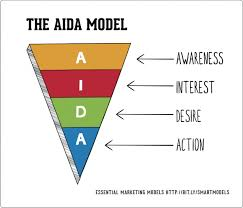
Digital Tool 3: Content Marketing (UGC & Campaign Storytelling)
User-generated content (UGC) helps #TescoVoiceOfCheckout interact naturally beyond sponsored advertising. Tesco requested duet films for most branded content to rethink checkout voice micro-stories (Sigurdsson et al., 2025). Visibility was maintained through comedy, languages, and music. Tesco showed its understanding and inclusivity by offering common folks. UGC's peer-driven and spontaneous nature increased authenticity, credibility, and emotional involvement, which the Hierarchy of Effects Model employs to increase awareness, preference, and action (Sani and Gbadamosi, 2025).
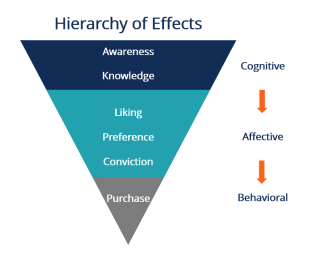
Digital Tool 4: Mobile-Optimised Website & Clubcard Ecosystem
Mobile app, internet, and Clubcard drove #TescoVoiceOfCheckout traffic and retention. Clubcard value and brand image rose with TikTok performance (Goel and Gurudev Sahil, 2024). Clubcard benefits were indirectly supported by checkout voice linking shopping and leisure. Rewards conversion-focused mobile apps let 18 million people easily enrol, receive customised offers, and Clubcard Prices, saving up to $392.00 a year. Usability and simplicity help the Technology acceptability Model encourage online-offline acceptability and commitment (Ram, Manoharan and Sun, 2021).
The relationship between campaign exposure and loyalty outcomes can be summarised as follows:
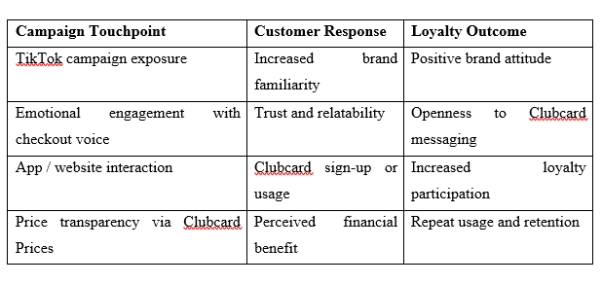
Overall, Tesco's mobile-optimised platforms functioned as the conversion engine that transformed creative engagement into measurable loyalty behaviour.
Digital Tool 5: Google Analytics & Performance Measurement
Statistics and analytics improved #TescoVoiceOfCheckout. The major communication platform was TikTok, although Google Analytics and Tesco's data architecture tracked performance. Tesco gained insights from Dunnhumby linking digital touchpoints to behavioural data. Engagement and video completion determined advertising creativity (Tanasiichuk et al., 2022). Google analytics showed that Tik Tok referral traffic to the Tesco website and app increased Clubcard use by 7% due to brand recognition.
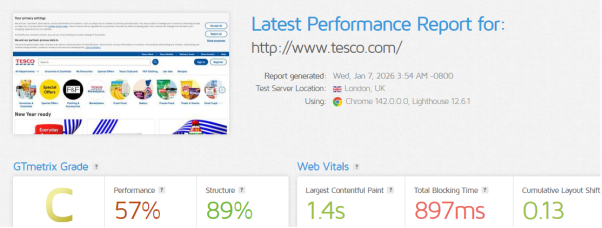
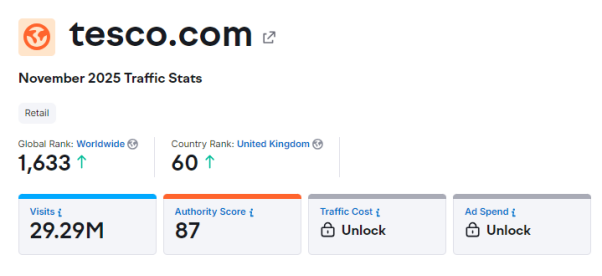
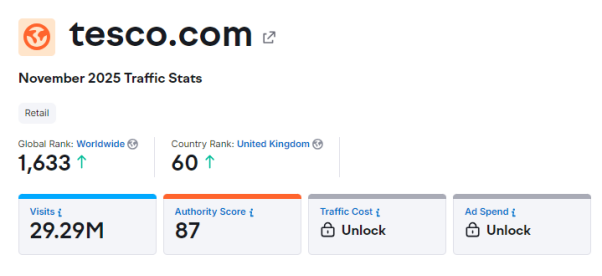
As of November 2025, Tesco.com had 29.29M visitors and ranks 60th in the UK and 1633rd globally. Site optimisation is needed because its user experience score is 57%. Structures score 89, LCP 1.4s, and Total Blocking Time 897ms, therefore long-term involvement can be increased.
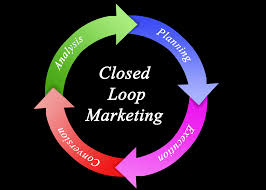
Optimisation, data collection, and analysis feed future activities to make them sustainable and effective, says the Closed-Loop Marketing Model.
Integrated Campaign Analysis & Engagement Maximisation
As per the IMC Model, #TescoVoiceOfCheckout was a connected digital ecosystem, unlike indifferent tools. Tik Tok, algorithmic discovery, and short-form video made Tesco culturally accessible. Duets and UGC increased outlets beyond owned and consistent message (Santos, 2021).
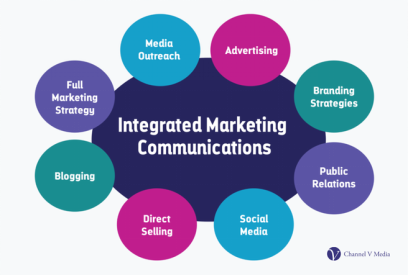
Tesco's app, site, and Clubcard system encouraged loyalty by letting users register, view pricing, and receive discounts. Google analytics and dunnhumby optimised performance using behavioural data, while TikTok increased emotional attachment. Technology, contact, and analysis strengthened customer relationships long-term.
Overall Campaign Summary
The #TescoVoiceOfCheckout campaign shows how participation-based engagement can promote post-2020 digital marketing (Rayi Retno Dwi Asih, Octaviani and Sari, 2025). Tesco made checkout a cultural experience with TikTok's short-form video and duet functions to boost views and user-generated content. The campaign used brand goals for fun, not advertising. Mobile, Clubcard connectivity, and analytics provided brand loyalty, while user co-creation backed Tesco's inclusion and Every Little Helps.
UK Assignment Sample for University Students
Reflective Report
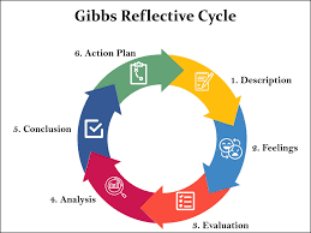
The Reflective Practice Theory by Gibbs is structured, as it involves the learner into six stages: description, feelings, evaluation, analysis, conclusion, and action plan. It should be noted that this model is especially suitable in academic reflection as it fosters critical thinking as well as self-reflection so that learning can be articulated and applied to practice in the future (Masharipova, 2025).
Description
This portfolio discussed the way Tesco implemented the creative digital technologies to create and execute the campaign #TescoVoiceOfCheckout. The report examined the extent to which Tesco uses TikTok, short-form video, user-generated content, mobile platforms, and analytics to develop a coherent digital marketing campaign to maximise engagement and ensure loyalty through Clubcard. The application of academic marketing theories was used with the industry evidence of annual reports and practitioner sources.
Feelings
First, it was felt that the task was difficult because of the necessity to evaluate a quite creative, entertainment based campaign critically in an academic context. It was not clear whether participatory content on TikTok could be closely associated with learning outcomes and strategic objectives. Nevertheless, the level of confidence rose as the analysis moved forward, specifically whenever relating creative technologies to quantifiable results like engagement metrics and loyalty indicators (Rane, Choudhary and Rane, 2023). I also felt more at ease using scholarly theory on unconventional forms of digital forms.
Evaluation
One of the main strengths of this portfolio is the choice of a real post 2020 campaign with believable secondary data. The well-organized analysis of five online tools was a good way to manifest the integration and coherence on a strategic level. The campaign alone was a great indication of interaction and brand identification. One of the weaknesses was, however, the absence of internal Tesco analytics, requiring a number of performance results, including attribute path attribution, to be inferential, as opposed to being measured.
Analysis
This assignment helped understand the significance of the connection between theory and practice. STP, AIDA, TAM and IMC models assisted in the transformation of creative activity into strategic understanding. The review revealed that creative technologies, including Tik Tok duets, can be most efficiently incorporated into a larger ecosystem which involves mobile systems and data analytics. It further confirmed that engagement is just not enough to be sustained at the expense of not having infrastructure that can translate attention into loyalty and value (Wong, Ong and Leow, 2024).
Conclusion
Comprehensively, this portfolio helped me learn more about modern digital marketing, and it proves that creativity, engagement, and data-oriented approach can be effectively combined in a logical campaign.
Action Plan
To improve analysis in my future work, I would include more sophisticated measurement methods, including hypothetical dashboards or attribution modelling. Such addition as comparative campaign analysis would also benefit to increase critical depth and add to the academic-practical balance.
Conclusion
Tesco created an engagement-based marketing strategy using innovative digital technology in this portfolio. Tesco used short-form video and user-generated content to create #TescoVoiceOfCheckout brand experiences on mobile and Clubcard ecosystems. Data-driven brand value evaluation and balance can help creative technologies succeed. Tesco employed fun, diversity, and everyday relevance to adapt its online presence to post-2020 consumer behaviour and get emotional and financial advantages.
Read More : Big Data Principles in Cloud Computing: Critical Analysis and Design
REFERENCES
- Abdi, R. (2025). Why We share: Unpacking Motivations for brand-related user-generated Content. [online] Aalto.fi. Available at: https://aaltodoc.aalto.fi/items/5fd6d072-c13f-4c19-b382-2884d0f34b62.
- Bing, C. and Peng, C. (2021). Construction of Power Data Products Based on STP Theory. IOP Conference Series: Earth and Environmental Science, 680(1), p.012035. doi:https://doi.org/10.1088/1755-1315/680/1/012035.
- Bluenovius.com. (2022). Closed-Loop Marketing 2.0: The Digital Disruption Enhancement. [online] Available at: https://www.bluenovius.com/pharma-challenges/closed-loop-marketing-2-0-the-digital-disruption-enhancement/ [Accessed 7 Jan. 2026].
- CFI Team (2022). Hierarchy of Effects. [online] Corporate Finance Institute. Available at: https://corporatefinanceinstitute.com/resources/management/hierarchy-of-effects/.
- Chen, J.J. (2022). Tesco Plc. International Cases of Corporate Governance, 1(1), pp.27-44.
- do, I. (2022). Equity Research - Tesco PLC. [online] Ulisboa.pt. Available at: https://repositorio.ulisboa.pt/entities/publication/2b26d02c-e2d0-4834-b65e-f0d8fd115e7e.
- Goel, A. and Gurudev Sahil (2024). Growth of Mobile Applications and the Rise of Privacy Issues. International Journal of Electronic Finance, 13(1), pp.20-35. doi:https://doi.org/10.1504/ijef.2024.135162.
- Hanlon, A. (2025). The AIDA Model. [online] Smart Insights. Available at: https://www.smartinsights.com/traffic-building-strategy/offer-and-message-development/aida-model/.
- Homepage. (2026). Tesco - Supermarkets | Online Groceries, Clubcard & Recipes. [online] Available at: https://www.tesco.com/?srsltid=AfmBOoqhte4xQk1onfNPjaKG_eqSBBFJeAc24nwyVJN9neukXMxskXmy [Accessed 7 Jan. 2026].
- Iwamoto, A. (2023). The Origin of AIDA: Who Invented and Formulated the AIDA model? [online] Available at: https://ojs.library.carleton.ca/index.php/pcharm/article/view/4340/3310.
- Masharipova, F. (2025). Fostering Reflective Practice: a Pathway to Effective Teaching and Professional Growth. Pubmedia Jurnal Pendidikan Bahasa Inggris, 2(3), pp.9-9. doi:https://doi.org/10.47134/jpbi.v2i3.1537.
- McLeod, S. (2025). Gibbs Reflective Cycle. [online] Simply Psychology. Available at: https://www.simplypsychology.org/gibbs-reflective-cycle.html.
- Ram, J., Manoharan, A. and Sun, S. (2021). Examining the Adoption of Onlineto- Offline (O2O). ACM SIGMIS Database: the DATABASE for Advances in Information Systems, 52(1), pp.10-26. doi:https://doi.org/10.1145/3447934.3447937.
- Rane, N., Choudhary, S. and Rane, J. (2023). Metaverse for Enhancing Customer loyalty: Effective Strategies to Improve Customer relationship, service, engagement, satisfaction, and Experience. [online] Social Science Research Network. Available at: https://papers.ssrn.com/sol3/papers.cfm?abstract_id=4624197.
- Rayi Retno Dwi Asih, Octaviani, D. and Sari, W.R. (2025). IMPROVING DIGITAL MARKETING PROFICIENCY FOR MSMES VIA COMMUNITY ENGAGEMENT: a CASE STUDY OF ISLAMIC ENTREPRENEURSHIP BOARDING SCHOOL PURWAKARTA. Jurnal Pengabdian dan Kewirausahaan, 9(2). doi:https://doi.org/10.30813/jpk.v9i2.9095.
- Sani, K.F. and Gbadamosi, A. (2025). Brands and Psychological Influences on Consumer Behaviour. Brands, Branding, and Consumerism, pp.35-114. doi:https://doi.org/10.1007/978-3-031-80859-3_2.
- Santos, M.L.B. (2021). The ‘so-called' UGC: an Updated Definition of user-generated Content in the Age of Social Media. Online Information Review, 46(1), pp.95-113. doi:https://doi.org/10.1108/oir-06-2020-0258.
- Sigurdsson, V., Larsen, N.M., Folwarczny, M., Maulana, H.K., Fagerstrøm, A. and Menon, R.G.V. (2025). Consumer‐Based Retailer Brand Equity across Different Shopping Needs: Experimentally Analysing Sub‐Brands. Psychology & Marketing. doi:https://doi.org/10.1002/mar.70066.
- Singha, S. (2024). Navigating the Social Media Maze. Advances in media, Entertainment and the Arts (AMEA) Book Series, pp.84-106. doi:https://doi.org/10.4018/979-8-3693-3767-7.ch005.
- Sulonen, S. (2025). Brand Building in the Era of Social Media : the Role of TikTok in Shaping Brand Identity. Lutpub.lut.fi. doi:https://lutpub.lut.fi/handle/10024/169765.
- Tanasiichuk, A., Kovalchuk, S., Sokoliuk, K., Sokoliuk, S., Liubokhynets, L. and Sirenko, S. (2022). Innovative Methods of Assessing the Efficiency of Internet Communications of Enterprises. European Journal of Sustainable Development, 11(2), pp.15-15. doi:https://doi.org/10.14207/ejsd.2022.v11n2p15.
- Tesco PLC (2025). Annual Report 2025. [online] Tescoplc.com. Available at: https://www.tescoplc.com/investors/reports-results-and-presentations/annual-report-2025.
- Wong, S.-Y., Ong, L.-Y. and Leow, M.-C. (2024). AIDA-based Customer Segmentation with User Journey Analysis for Wi-Fi Advertising System. IEEE Access, 12, pp.1-1. doi:https://doi.org/10.1109/access.2024.3424833.
- Wvu.edu. (2023). Marketing Communications | What Is Integrated Marketing Communications? [online] Available at: https://marketingcommunications.wvu.edu/professional-development/marketing-communications-today/marketing-communications-today-blog/2023/08/31/what-is-integrated-marketing-communications.
- www.ETRetail.com (n.d.). UK's Tesco Forecasts Profit Rise as Consumer Sentiment Improves - ET Retail. [online] ETRetail.com. Available at: https://retail.economictimes.indiatimes.com/news/food-entertainment/grocery/uks-tesco-forecasts-profit-rise-as-consumer-sentiment-improves/109232282.

UPTO55%
Avail The Benefit Today!
To View this & another 50000+ free








 Update your Number